Gastroenterology Fellowship at Mount Sinai South Nassau
The Gastroenterology Fellowship at Mount Sinai South Nassau is a fully accredited, three-year training program designed to develop expert clinicians and future leaders in the field. The program leverages the clinical and academic resources of two premier institutions: Mount Sinai South Nassau and Mount Sinai Hospital.
Fellows receive comprehensive training in clinical gastroenterology, endoscopy, and hepatology, guided by a strong core curriculum. In addition, the fellowship includes dedicated subspecialty rotations in inflammatory bowel diseases, pancreaticobiliary disorders, advanced endoscopy, GI motility, and liver transplantation. Throughout the program, fellows are encouraged to pursue scholarly activities, supported by experienced faculty mentors. This includes opportunities in clinical research, quality improvement, and academic writing, all tailored to individual interests and career goals.
For fellows who have completed their Gastroenterology Fellowship, the GI Division also offers a one-year advanced training fellowship: Advanced/Interventional Endoscopy fellowship
2026
1st year Fellows (Residency Program)
Luis Rendon Rodriguez, MD (Mount Sinai West)
Leonard Lacefield, DO (Oklahoma State University)
2nd year Fellows (Residency Program)
Moshe Fenster, MD (Mount Sinai South Nassau)
Silpa Yarra, MD (Mount Sinai Beth Isreal Med Center)
3rd year Fellows (Residency Program)
Haidar Khan, MD (Mount Sinai Elmhurst)
Sharon Slomovich, MD (Mount Sinai South Nassau)
Graduates and where are they now
Lahkanna Muhddesa, DO 6/2026 Gastroenterologist with Northwell Health
Jonathan Reyes, MD 6/2026 Gastroenterologist with Hackensack Meridian Health
Neal Shah, 6/2025 NYU Advance Endoscopy Fellowship
Manoor Khan, 9/2025 Columbia University Advance Endoscopy Fellowship
How to Apply
The Mount Sinai South Nassau Hospital offers two positions in the Match for our fully accredited three-year Fellowship in Gastroenterology. The gastroenterology fellowship program participates in the National Resident Matching Program (NRMP). Applicants should register with the NRMP in order to participate in the Gastroenterology Match. Applications for the Gastroenterology Match are accepted through ERAS (Electronic Residency Application System). We will only review applications that are processed through ERAS. Due to the heavy volume of applications we receive, we are usually able to arrange personal interviews with no more than 5-10 percent of our applicants.
Contact Us
Halima Chukalingam
Fellowship Coordinator
Division of Gastroenterology & Hepatology
Mount Sinai South Nassau
1 Healthy Way
Oceanside, NY 11572
Tel: 516-497-7523
Fax: 516-497-7558
halima.chukalingam@mountsinai.org
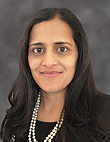
Pruthvi Patel, MD
Program Director
Message from the Program Director
Welcome to the Gastroenterology Fellowship at Mount Sinai South Nassau. Our goal is to train competent, compassionate and confident gastroenterologists.
We are excited to train the next generation of gastroenterologists! We are a young and vibrant program. We have a high volume of endoscopy cases in our program and fellows begin performing endoscopy on day 1. In our program you will be exposed to a diverse pathophysiology ranging from simple to complex cases. We have highly active and busy programs in endoscopy, IBD, manometry and interventional endoscopy.
We harness the system resources to ensure a top-notch educational experience - expert fellows to thought leaders in the field of faculty research.
For transplant and complex hepatobiliary we partner with Mount Sinai Hospital, Liver Transplant program and fellows spend 2 months at the main campus in Manhattan for a rich experience.
We invite you to share our passion for the field of Gastroenterology.
Sincerely,
Pruthvi Patel, MD
Curriculum
Fellows are trained in all areas of gastroenterology and hepatology and
are provided time to focus on subspecialty areas within these fields.
The clinical curriculum of the Gastroenterology Fellowship at Mount Sinai South Nassau is thoughtfully designed to provide comprehensive training across all areas of inpatient and outpatient Gastroenterology and Hepatology—regardless of a fellow's ultimate career path.
Fellows rotate through a wide range of specialized services, including:
- Inpatient GI Consults
- Endoscopy
- Inflammatory Bowel Disease (IBD)
- Hepatology
- Motility Disorders
- Ambulatory Clinics
A strong emphasis is placed on the appropriate indications for endoscopic procedures and their meticulous, safe execution—under the close supervision of expert teaching faculty.
Each month, a core academic theme is selected and explored through a series of structured learning activities. These include:
- Didactic Fellows Conference
- Clinical Case Conference
- Journal Club
These sessions are typically guided by faculty with specialized expertise in the topic area, providing fellows with deep insight into complex clinical issues and evolving practices.
As fellows advance through the program, their clinical responsibilities are progressively tailored to reflect growing expertise. Senior fellows are encouraged to lead in the management of patients with complex and rare digestive diseases, preparing them for independent practice or academic careers.
Our institution serves a diverse patient population, offering exposure to both common and rare gastrointestinal conditions. Patient safety and quality improvement are foundational pillars of the training program, integrated into both clinical practice and academic inquiry.
Fellows dedicate a portion of their training to original research under the guidance of experienced faculty mentors. Research training is supported by divisional resources and opportunities to present at local, regional, and national conferences.
By the end of their training, fellows are well equipped to deliver excellent patient care and contribute to the fields of gastroenterology and hepatology. Attending conferences, poster presentations,
Core Rotations
The Mount Sinai South Nassau GI Consultation Service
The Mount Sinai South Nassau Inpatient GI consult service is comprised of 2 – 3 GI fellows and one gastroenterology attending.
Medical students, PA Students, and internal medicine residents routinely rotate on the service as well. The fellows are responsible for directing and managing all aspects of gastrointestinal care, including endoscopic procedures. Daily work, endoscopy, bedside rounds and teaching rounds are all conducted under the supervision of the GI attending. In order to facilitate teaching and learning of both endoscopy and inpatient consultative gastroenterology, inpatient endoscopy procedures are split between Fellows assigned to a dedicated Endoscopy Team and GI Consult Team.
The 455 bed Mount Sinai South Nassau is a high volume, high acuity care facility located on South Shore of Long Island. Inpatients are comprised of a diverse population with routine medical conditions from the surrounding region, as well as complex patients transferred to Mount Sinai for quaternary care.
Subspecialty Rotations
These rotations provide the fellow with the opportunity to develop an in-depth appreciation of subspecialty areas. Fellows with a particular interest in one area may choose to dedicate more time to this area through an elective block or during the research rotation. Novel rotations can be developed and tailored to the individual fellow’s interests.
The inflammatory bowel disease (IBD) rotation exposes fellows to patients with complex manifestations of ulcerative colitis and Crohn’s disease. Emphasis is placed on understanding the surgical and medical management of these conditions, along with proper interpretation of diagnostic imaging and endoscopic studies.
Hepatology training is an integral part of the Gastroenterology Fellowship and is conducted across multiple clinical settings to provide progressive responsibility and expertise.
- First-Year Fellows focus on inpatient hepatology consultations, working up a wide range of liver diseases. They also participate in a monthly clinical case conference, where complex inpatient cases are discussed in-depth with faculty and peers to enhance clinical reasoning and decision-making skills.
- Second-Year Fellows take part in an outpatient pre-transplant clinic to learn how to diagnose and manage liver diseases in multi-disciplinary care.
- Third-Year Fellows spend two months at Mount Sinai Hospital’s renowned liver transplant service. During this rotation, fellows acquire hands-on experience managing patients before and after liver transplantation, including perioperative care, immunosuppression management, and long-term follow-up.
This graduated exposure ensures fellows develop the knowledge and skills necessary to expertly diagnose, treat, and manage the full spectrum of liver diseases, preparing them for independent hepatology practice or advanced academic roles.
Advanced Endoscopy rotation provides exposure to EUS and ERCP. This rotation also provides exposure to 2nd and 3rd year fellows in complex endoscopic techniques such as endoscopic mucosal resection, enteral stent placement and radiofrequency ablation.
Additional subspecialty electives are available during the 2nd and 3rd year for fellows seeking advanced training in a particular area of clinical interest.
Ambulatory Training
During all three years of fellowship, fellows maintain a weekly Continuity Clinic. The Fellows assume primary responsibility for the patients they see in the practice, including initial consultation, follow up visits, interpretation of testing results, and coordination of care with other specialties with supervision of faculty member. The fellows capitalize on the extensive resources allocated to ambulatory care, including social workers, nutritionists, nurses, and other staff supports (medical assistant, endoscopy liaison, insurance specialists).
Endoscopy Training
Endoscopy training occurs throughout the entire three-year fellowship. Dedicated inpatient endoscopy rotations provide focused training and experience in endoscopic procedures on hospitalized patients. Additional rotations with the advanced endoscopy faculty provide experience in endoscopic mucosal resection, stricture dilation, and radiofrequency ablation. Fellows gain significant experience with chromoendoscopy through working with IBD faculty.
The rotation schedule is divided as follows: 1 Block = 4 Weeks
First Year
- GI Consult Service: 9.5 Blocks
- Endoscopy rotation: 2.5 Blocks
Second Year
- GI Consult Service: 6.5 Blocks
- Endoscopy: 3.5 Blocks
- Hepatology: 1 Block
- Advanced Endoscopy: 1 Block
Third Year
- GI Consult service: 3.5 Blocks
- Endoscopy: 3.5 Blocks
- Advanced Endoscopy: 2 Blocks
- Motility: 1 Block
- Liver transplant: 2 Blocks
Conferences
Conferences serve as a foundation of the teaching program. Each week the following conferences are held:
System-Wide Grand Rounds
Hear from national and internal leaders in the field as they present the latest groundbreaking research, emerging therapies, and cutting-edge developments in clinical care.
Clinical Case Conference
An interactive opportunity for fellows to learn from complex, real-world cases encountered on the inpatient service. Review current clinical guidelines, explore evolving approaches to care, and develop the art and science of clinical management.
Radiology Conference
Review active clinical cases with the Chair of Radiology. Learn how to select the most appropriate imaging studies, understand their clinical applications, and develop the skills to interpret radiologic findings effectively.
Endoscopy Conference
Held quarterly, this conference features cases presented by our interventional team, showcasing the latest advances in advanced and third-space endoscopic procedures. Review current guidelines, clinical applications, and procedural techniques.
Hepatobiliary Grand Rounds
Explore the multidisciplinary management of complex hepatobiliary and pancreatic oncology cases. Gain insight into collaborative decision-making and the latest advances in the diagnosis and treatment of these challenging conditions.
Journal Club
Develop the skills to critically evaluate new research and understand how emerging evidence can be translated into clinical practice to improve patient care and outcomes.
Pathology Conference
Review pathology from inpatient and outpatient cases, strengthening your understanding of disease processes and the correlation between clinical presentation, pathology, and patient management.
Salaries
Salary (Effective July 1, 2026):
PGY IV - $92,143
PGY V - $98,742
PGY VI - $100,725
Related Resources
The Present-Levison Advanced IBD Fellowship
A program dedicated to training physicians to care for patients with IBD
Advanced Endoscopy Fellowship
A program to train physicians in the techniques of advanced therapeutic endoscopy