Anesthesia Care for Labor & Birth
Compassionate, Safe, and Personalized Pain Relief Options
At Mount Sinai South Nassau, our Obstetric Anesthesiology team partners closely with your obstetrician, midwife, and nurses to support your birth preferences—whether you plan an unmedicated delivery, want the option of an epidural, or require anesthesia for a cesarean birth. Our goal is simple: to keep you and your baby safe, comfortable, and empowered throughout your delivery experience.
Understanding Labor Epidurals
An epidural is the most effective and commonly used form of pain relief for childbirth. A small, flexible tube called an epidural catheter is placed in the lower back, near the nerves that carry pain signals from the uterus. Medication is then delivered continuously through a pump to relieve pain while you remain awake and alert.
Benefits
- Exceptional pain relief during labor and delivery
- Allows rest and relaxation while remaining fully conscious
- Can be quickly adjusted or “topped up” for a cesarean birth if needed
- Reduces stress hormones, which may help stabilize blood pressure and heart rate
Common side effects include mild itching, temporary leg heaviness, or low blood pressure (monitored closely). Serious complications—such as infection, bleeding, or nerve injury—are extremely rare. A headache called a post dural puncture headache can occur in 1out 100 patients.
Other Pain Relief Options
Your medical care team will discuss multiple comfort choices to help you design a birth plan that fits your needs. Every labor is unique — and so are your comfort needs. If you prefer to delay or avoid an epidural, there are several safe, effective alternatives that can help you manage contractions while staying active and engaged in your birth experience.
Medication-free comfort techniques:
- Breathing and relaxation – slow, focused breathing helps your body work with contractions.
- Movement and position changes – walking, rocking, or using a birthing ball can ease discomfort and help your baby descend.
- Massage, counter-pressure, or acupressure – gentle touch and pressure to the lower back or hips may lessen contraction intensity.
- Support from a partner, doula, or nurse – emotional reassurance and hands-on guidance can make a big difference.
- Visualization and mindfulness – focusing on calm imagery or affirmations can reduce anxiety and pain perception.
Alternative medication options:
- Nitrous oxide (“laughing gas”) – inhaled for short-term relief between contractions
- Intravenous (IV) medications – mild pain relief for early labor
What to Expect During an Epidural
You can request an epidural at any time. There is no wrong time to get an epidural. The right time is whenever you are ready.
The procedure is performed by an anesthesiologist or CRNA in your labor room. You’ll sit or lie curled on your side while your back is cleaned with sterile solution. A small amount of numbing medicine is injected first. You may feel pressure as the epidural catheter is placed, but nothing sharp stays in your back. The epidural catheter is taped in your back. Pain relief begins within 5–20 minutes and can be adjusted as labor progresses. Your anesthesia team is present to monitor you and assess your pain for the duration of your labor. If your epidural catheter is not providing relief, it can always be replaced.
Ask Your Anesthesia Team
Scheduling a consultation allows us to review your medical history, discuss pain management options, and create a personalized plan for your labor or cesarean birth.
You may be advised to meet with an anesthesiologist if you have:
- A history of spinal or back surgery, scoliosis, or spinal hardware
- Cardiac or pulmonary disease
- Bleeding disorders, such as:
- Von Willebrand disease
- Platelet function disorders or low platelet count (thrombocytopenia)
- Factor deficiencies (Factor VIII, IX, XI, etc.)
- Neurologic conditions, such as:
- Chiari malformation or prior brain/spinal surgery
- Intracranial aneurysm or vascular malformation
- Seizure disorder (epilepsy)
- Multiple sclerosis or other demyelinating disease
- History of neuropathy, spinal cord lesion, or stroke
- Allergies or reactions to local anesthetics or anesthesia medications
- Anesthetic complications during previous surgeries or deliveries
Consultations can be arranged through your obstetrician, midwife, or Labor & Delivery unit several weeks before your due date.
If you are admitted early for medical reasons, the anesthesia team can meet with you during your hospital stay to ensure a safe delivery plan.
Anesthesia for Cesarean Birth
If you need a cesarean delivery, your anesthesia team will ensure you are comfortable and safe. Most cesareans are done under spinal or epidural anesthesia, allowing you to be awake and present for your baby’s birth.
A spinal or combined spinal-epidural (CSE) provides rapid, reliable anesthesia for surgery. If you already have a labor epidural, stronger medication can be given through it for the cesarean. General anesthesia (being asleep) is reserved for rare emergencies or when neuraxial anesthesia isn’t possible.
What You’ll Feel and Expect
You’ll be awake, but your body will feel numb from the chest down. You may feel pressure or movement, but not pain. You’ll be able to hear your baby’s first cries and, in most cases, have your partner by your side. Your anesthesiologist stays with you throughout surgery to monitor and adjust your comfort.
Safety for You and Your Baby
Epidural and spinal medications use very low concentrations, so minimal amounts reach your bloodstream. Unlike IV pain medicines, they do not make you or your baby sleepy. Epidurals do not increase the risk of cesarean delivery and are safe for breastfeeding after birth. Our anesthesia and obstetric teams monitor both you and your baby throughout labor to ensure comfort and safety.
Headache After an Epidural or Spinal
A post-dural puncture headache (PDPH) can occasionally occur after epidural or spinal anesthesia. It happens when a small amount of spinal fluid leaks through a tiny hole in the membrane that surrounds the spinal cord.
This is a rare complication, occurring in about 1 out of every 100 epidural placements, but it is also the most common complication associated with epidurals.
What it feels like:
- A dull, throbbing headache that usually begins within 24–48 hours after your epidural or spinal
- Often worse when sitting or standing and improves when lying flat
- May extend from the head into the neck or shoulders
- Can be accompanied by nausea, neck stiffness, dizziness, or hearing changes
What to do:
- Tell your care team immediately if you notice a headache that worsens when upright.
- Early comfort measures include:
- Resting and lying flat when possible
- Drinking fluids and caffeinated beverages
- Taking acetaminophen or ibuprofen if approved by your provider
- If the headache persists or becomes severe, your anesthesiologist may offer an epidural blood patch—a brief procedure using your own blood to seal the leak and provide quick relief.
Outlook
Most post dural puncture headaches resolve within a few days, and nearly all improve completely after an epidural blood patch if needed. Your anesthesia team will continue to follow up to ensure you are comfortable and recovering well.
Your Birth, Your Choice
Whether your vision includes a holistic, unmedicated labor or advanced pain management, our team at Mount Sinai South Nassau is committed to respecting your choices and providing world-class, evidence-based anesthesia care.
Learn more about our holistic birth and maternity services.
Disclaimer
This information is for educational purposes only and does not replace individualized medical advice. Please discuss your specific situation with your healthcare providers.
Additional Maternity Services
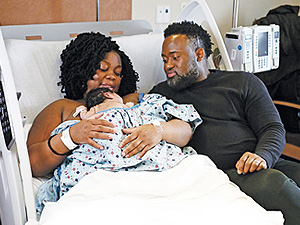
Maternity Services
The staff of the Mount Sinai South Nassau maternity unit is proud to offer advanced maternity services to mothers with their babies...
Read More

High-Risk Pregnancies
The Maternal Fetal Medicine program for high-risk pregnancies at Mount Sinai South Nassau includes...
Read More
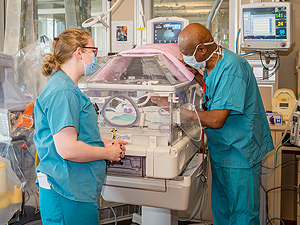
Level II NICU
If your baby is premature or you have a high-risk pregnancy, you can rely on the experienced...
Read More

Education & Support
The staff of Mount Sinai South Nassau’s Maternity Services knows that education is an important part of caring for your...
Read More
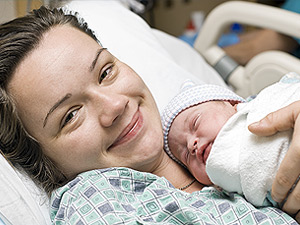
Tour Our Maternity Unit
Tour Our Maternity Unit Online – see the difference Mount Sinai South Nassau offers with integrated Labor & Delivery rooms...
Read More

Online Prepared Childbirth eClass
We understand being able to plan is a high priority for our expectant parents. Therefore, we encourage you...
Read More
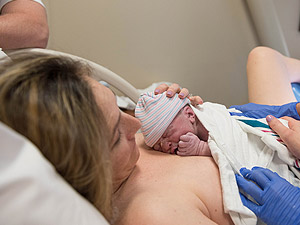
Holistic Birth Program
This program was born with the goal of bringing comfort to birthing people during their labor and delivery experience...
Read More

Pediatrics and Maternity Visiting Policies
What is the current visitor policy in Labor & Delivery and Mother Baby...
Read More