Uterine Fibroid Embolization
Uterine fibroids are benign growths that develop in the wall of the uterus. They affect about one in five women in the United States. The cause of uterine fibroid tumors is unknown. They tend to be more common in African-American women than in Caucasian women.
While many fibroids cause no symptoms, some can cause symptoms such as:
- Heavy and painful periods
- Bleeding between periods
- An urgent and frequent need to urinate
- Pelvic cramping or pain with periods
- Sensation of fullness or pressure in the lower abdomen
Fibroids occur in 20-40 percent of women age 35 and over. The fibroids are diagnosed by physical exam and confirmed by ultrasound or MRI. Those patients whose symptoms are not relieved by medical therapy have additional therapeutic options, consisting of surgery and fibroid embolization.
According to the American Academy of Family Practice, uterine fibroids account for 60 percent of the 600,000 hysterectomies performed in the United States each year.
Less-Invasive Treatment Option
Mount Sinai South Nassau treats this condition using uterine fibroid embolization (UFE), a minimally invasive procedure that blocks the blood supply to the fibroids in the uterus, causing them to shrink. The traditional method uses an artery in the groin to reach the fibroids and requires that the patient lay flat for several hours afterward to prevent bleeding complications.
But at Mount Sinai South Nassau, fellowship-trained interventional radiologists work closely with obstetrician/gynecologists to perform uterine fibroid embolization by using an artery in the wrist to reach the fibroids. “Patients can sit up after the procedure, and it makes for an easier recovery,” explains Sydney Yoon, MD, director of Interventional Radiology. “This radial approach to UFE is a major advance in women’s health that is safe and effective.”
During the procedure, which takes less than an hour, interventional radiologists thread a catheter into an artery in the wrist, guided by real-time X-ray. Through the catheter, they inject small particles–the size of grains of sand—that block the arteries supplying blood to the fibroids.
On average, fibroids will typically shrink to half their original volume after three months. After one year, they may shrink up to 70 percent.
To schedule a consultation, call 516-632-3047.
Who Is a Candidate for UFE?
The ideal candidates for uterine fibroid embolization are premenopausal women who experience heavy menstrual bleeding and pain and do not plan to have children; or postmenopausal women who suffer from pelvic discomfort and urinary frequency, urgency or incontinence due to the size and number of uterine fibroids.
UFE is safe, well-tolerated and highly successful; however, it is not recommended for women who plan to have children because no long-term studies exist on the procedure’s effects on fertility.
For more information or to schedule an appointment, please call the hospital’s Interventional Radiology Department at (877) SOUTH-NASSAU or (877-768-8462).
Meet Our Team

Co-director of the section of interventional radiology, Sydney S. Yoon, MD FACP is board-certified in diagnostic radiology and internal medicine, with subspecialty certifications in interventional radiology and neuroradiology. He has extensive experience in embolizations including fibroid embolizations, ablations including renal ablations, spine augmentation such as kyphoplasty, vascular access, pain management and other interventional procedures. After earning a medical degree from the University of Chicago, he completed residencies in radiology at the UCLA School of Medicine and medicine at the Johns Hopkins University School of Medicine, a fellowship in interventional radiology at UCLA and a fellowship in neuroradiology at Columbia University.
Dr. Yoon is a Fellow of the American College of Physicians and selected as 1999-2004 “Best Doctors” in New York magazine; Castle Connolly "Top Doctors" - NY metro area (2003-2005; 2011-2019); and "America’s Top Doctors" 2002-2019.
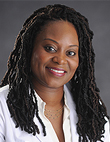
Geraldine N. Abbey-Mensah, MD, is board-certified in diagnostic radiology, and specializes in interventional radiology as well as breast imaging.
She earned a medical degree from the Alpert Medical School of Brown University, Providence, Rhode Island, and completed a diagnostic radiology residency at the State University of New York Downstate Medical Center, where she was also Chief Resident. She then completed a fellowship in interventional radiology at New York-Presbyterian Weill Cornell Medical Center/Memorial Sloan Kettering Cancer Center.
Dr. Abbey-Mensah is the recipient of many awards, including the RSNA Roentgen Resident/ Fellow Research Award Radiology and Resident Teacher of Year. She has published extensively in many peer-reviewed prestigious medical journals and is a member of numerous professional societies.

David Li, MD, PhD is board certified in Radiology and Vascular and Interventional Radiology. He earned his medical degree at Albert Einstein College of Medicine in New York and completed his Radiology Residency at Beth Israel Deaconess Medical Center/ Harvard Medical School in Massachusetts. He completed a fellowship in Interventional Radiology at the New York Presbyterian-Weill Cornell/Memorial Sloan Kettering Joint program. Prior to joining Mount Sinai Doctors, he served as an Interventional Radiologist at New York Presbyterian-Weill Cornell. He also serves as a Staff Radiologist in Interventional Radiology at Mount Sinai South Nassau.
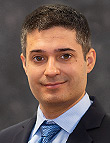
Sean Adwar, MD is board certified in Radiology and Interventional Radiology. He earned his medical degree at New York University School of Medicine and completed a fellowship in Interventional Radiology at University of Alabama Birmingham. He was also a Radiology Resident at Mount Sinai Beth Israel Hospital in New York. Prior to joining Mount Sinai Doctors, he was an Assistant Professor and Attending Radiologist at Stony Brook University Hospital in New York. He also serves as a Staff Radiologist in Interventional Radiology at Mount Sinai South Nassau.
Learn More
Mount Sinai South Nassau Radiology